
Understanding OFAC Sanctioned Countries: Implications and Consequences
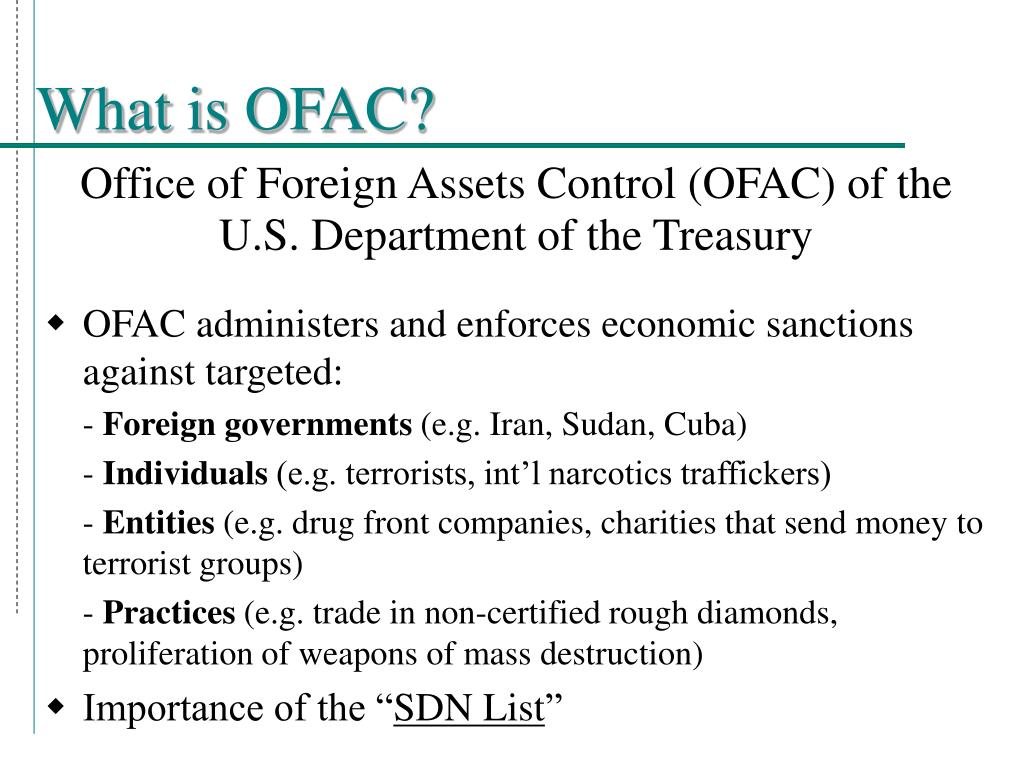
The Office of Foreign Assets Control (OFAC) of the U.S. Department of the Treasury administers and enforces economic and trade sanctions based on U.S. foreign policy and national security goals. This includes sanctions imposed on various countries due to reasons like terrorism, drug trafficking, human rights violations, and nuclear proliferation. Understanding the complexities surrounding OFAC sanctioned countries is crucial for individuals and businesses involved in international trade or finance.
What Are OFAC Sanctions?
OFAC sanctions are a set of restrictive measures that prohibit U.S. individuals and entities from engaging in certain activities with designated foreign countries, organizations, and individuals. These sanctions can be comprehensive or selective, targeting entire countries or specific sectors. The primary purpose of these sanctions is to promote U.S. national security and foreign policy objectives, often in response to provocative actions by these countries.

Categories of Sanctioned Countries
Sanctioned countries are typically listed on OFAC’s Specially Designated Nationals and Blocked Persons (SDN) List. The countries that often appear on this list include:
- Iran: Sanctions on Iran stem from concerns regarding its nuclear program, support for terrorism, and human rights violations.
- North Korea: North Korea faces strict sanctions due to its nuclear weapons program and continued military provocations.
- Sudan: Although some sanctions have been lifted, Sudan is still subject to a range of restrictions related to human rights abuses.
- Syria: Sanctions on Syria are primarily due to its support for terrorism and involvement in destabilizing activities in the Middle East.
- Russia: Since 2014, the U.S. has imposed sanctions on Russia in response to its annexation of Crimea and its role in the ongoing conflict in Ukraine.
Implications of OFAC Sanctions
The implications of sanctions on OFAC sanctioned countries are far-reaching, affecting not just the economies of those nations but also the international community. Here are some of the consequences:
Economic Impact
Sanctions can cripple a country’s economy by restricting access to international markets and financial systems. This can lead to inflation, shortages of basic goods, and decreased foreign investment. For example, Iran has faced significant economic challenges due to the sanctions targeting its oil industry, which is the backbone of its economy.
Political Dynamics
Sanctions often serve as a tool of diplomatic pressure, aiming to alter a sanctioned country’s behavior. However, they can also lead to a rally-around-the-flag effect, where nationalistic sentiments rise, and the government consolidates power, potentially deepening the conflict.
Legal Ramifications for Businesses
For U.S. businesses, engaging in activities with OFAC sanctioned countries can lead to severe legal consequences, including hefty fines and penalties. Companies must conduct thorough due diligence and ensure compliance with OFAC regulations to avoid accidental violations.
Challenges and Controversies
While sanctions are intended to promote international peace and security, they are often controversial. Critics argue that sanctions can exacerbate humanitarian crises and disproportionately affect civilians, rather than the targeted governments. Furthermore, enforcement can be challenging, especially with countries that have established ways to circumvent sanctions.
Humanitarian Concerns
One of the most significant criticisms of OFAC sanctions is their impact on ordinary citizens. Sanctions can limit access to necessary goods such as medical supplies and food, leading to humanitarian crises. Some argue that more targeted sanctions are needed, focusing on individuals rather than entire populations.
Geopolitical Ramifications
The geopolitical landscape is continually shifting, and the effectiveness of sanctions can sometimes backfire. Countries like China and Russia may strengthen their ties with sanctioned nations, undermining the intended impact of U.S. sanctions and complicating international relations.
The Path Forward: Sanctions and Diplomacy
Moving forward, the U.S. must balance the use of sanctions with diplomatic efforts. Engaging in dialogue and negotiations can sometimes yield better results than isolation. The effectiveness of sanctions also relies on widespread international cooperation; unilateral actions risk diminishing their impact.
Conclusion
The complexities surrounding OFAC sanctioned countries highlight the difficulties in achieving national security and foreign policy objectives through sanctions. While they serve as a tool for the U.S. to influence behavior, the ramifications for the sanctioned countries and their citizens are significant. A holistic approach that combines sanctions with diplomacy may be the best course of action to foster lasting change on the global stage.

